


Boiler Repair
Park CityOctober 2025
- Problem
- A boiler system needed its expansion tank replaced.
- What we did
- We did a No. 30 expansion tank replacement on the boiler system.
StormWaters Plumbing serves Park City from our shop in Lehi. The city's water tests at 9 to 24 grains per gallon, its weather station sits at about 6,900 feet, and its frost line is 40 inches deep. We fix frozen pipes, water heaters, and leaks. Our emergency line is answered 24/7, and estimates are free.
We serve homes and businesses across Park City, from Old Town and Prospector to Park Meadows, Thaynes, and Deer Valley. We are based in Lehi and send plumbers to Park City from there. Every local fact on this page links to the city, district, or federal source it came from.
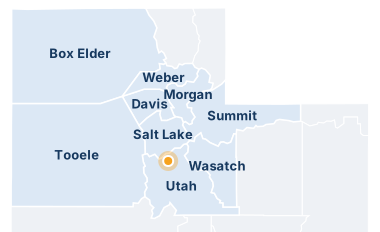 Our shop, LehiPark City · Summit County
From the public record
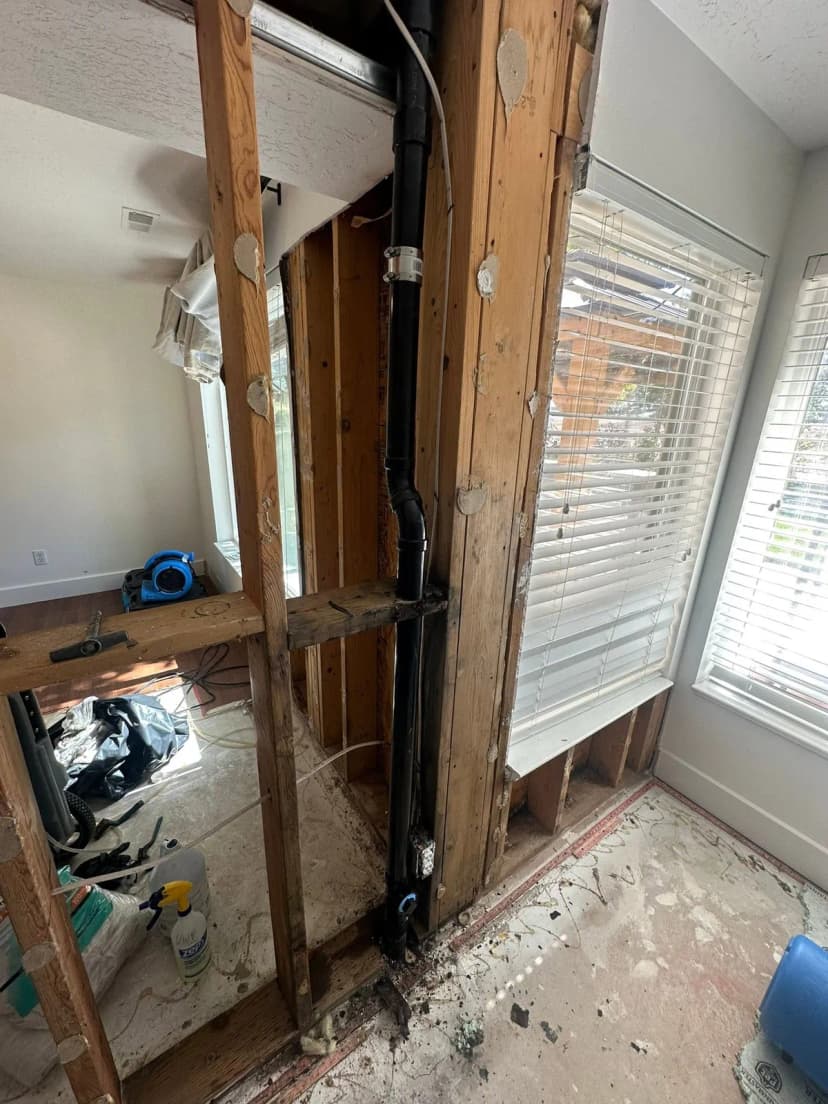
Clogged drains, sewer backups, camera inspections, and sewer line repair, with or without a trench.
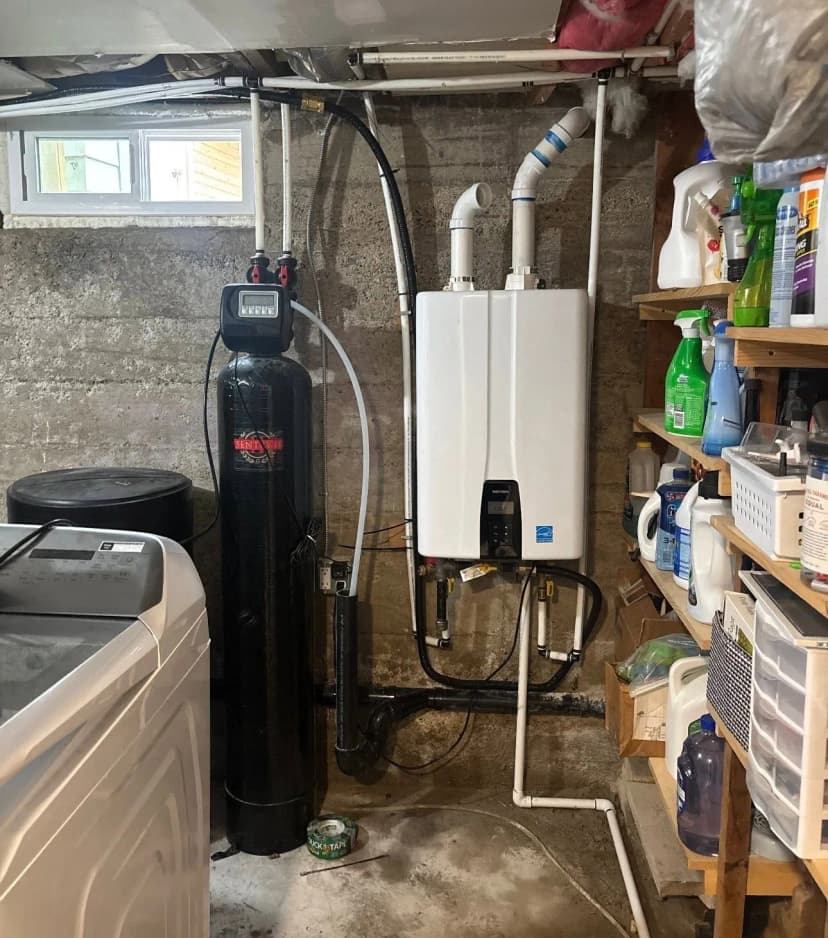
No hot water, a leaking tank, or a switch to tankless. Repair when it makes sense, replacement when it does not.
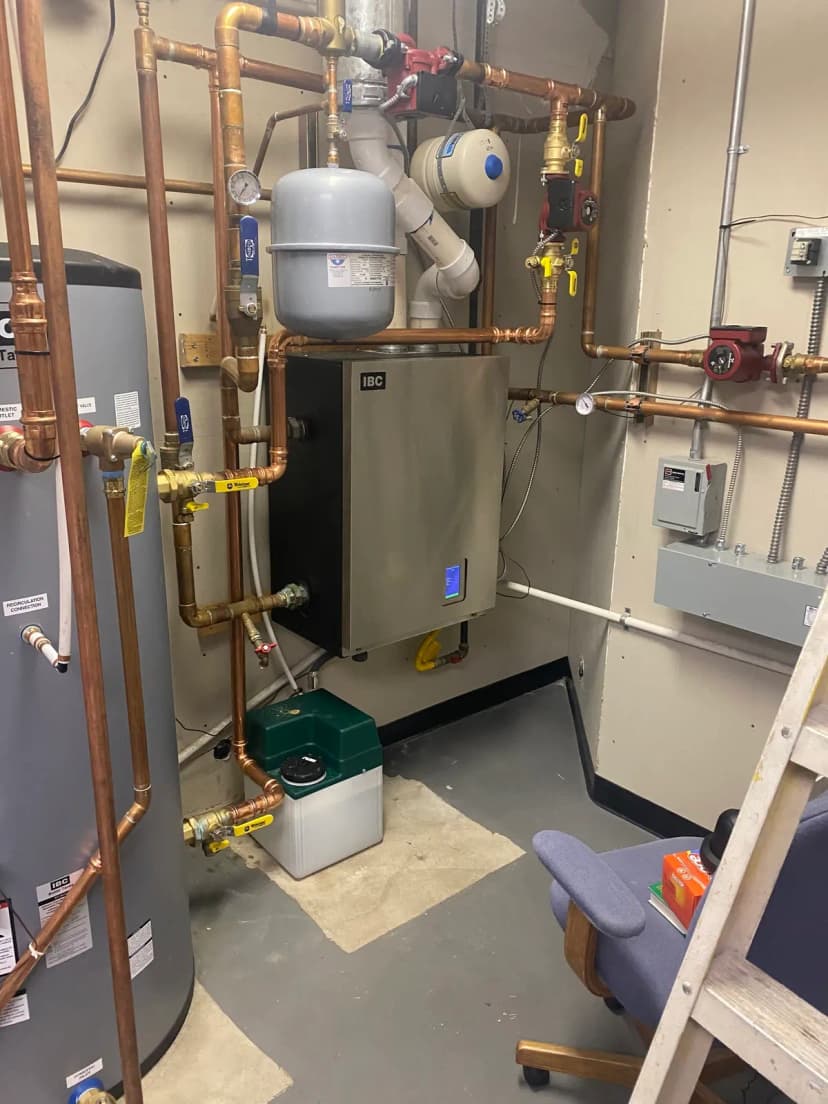
Boiler repair and installation, radiant floor heat, and snowmelt systems for driveways and walks.
Sump pump installation and repair, battery backups, and drainage that moves ground water away from the house.
Park CityOctober 2025
Park CityOctober 2025
Park CityOctober 2025
Hard to very hard, and it changes by area and by season. Park City tests hardness every quarter in eight areas: Prospector, Upper Deer Valley, Lower Deer Valley, Old Town, Thaynes, Iron Canyon, Park Meadows, and Fairway Hills. From the third quarter of 2025 through the second quarter of 2026, the results ran from 9 to 24 grains per gallon. The lowest reading was at Prospector and the highest at Fairway Hills. The city's 2026 water report says it has eight sources and three treatment plants, and that hardness can change with the sources in use and the season (source). The U.S. Geological Survey calls water very hard above 180 mg/L, about 10.5 grains per gallon (source). Hard water leaves scale in water heaters and boilers, and a tank that rumbles or pops as it heats is telling you so. We do water heater repair, and we test at your tap before we size a water softener.
Because the city climbs a mountain. Park City says its water system has 43 pressure zones, 20 tanks, 16 pump stations, and 49 pressure-reducing stations, and that it pumps water over an elevation range greater than 1/3 of a mile (source). If your home has a pressure reducing valve, it brings the pressure down before the water reaches your pipes and fixtures. The city's service line page says that valve is normally located after the main shut-off valve, where the line enters the home at the lowest level, in a crawlspace or a utility room (source). These valves wear out. Signs are pipes that bang when a faucet shuts, a toilet that hisses as it fills, or a relief valve on the water heater that drips. Do not cap or adjust the relief valve. We measure the pressure with a gauge on a plumbing maintenance visit, and we replace the reducing valve if it has failed.
Cold enough that plumbing has to be built for it. The National Oceanic and Atmospheric Administration's Park City weather station sits at 2,103.1 meters, about 6,900 feet. Its 1991–2020 climate normals show a normal January low of 15.6°F, and an average of 3.6 January days with a low at or below 0°F (source). Park City's building design criteria list a frost line depth of 40 inches and rate weathering as severe (source). Pipes in an outside wall, a crawlspace, or a garage freeze first. If a pipe has burst, close your main water valve and stay out of standing water near outlets. If a pipe is frozen but not split, open the faucet and never use an open flame. Then call our emergency line. We thaw and repair frozen pipes.
Two things: protect it from the freeze, and flush it when you come back. Park City says many of its second homes and seasonal businesses are unoccupied for extended periods, and that past the meter each customer is responsible for the quality of the water. When a home has been empty or little used for months, the city says to flush the water lines, because water that sits in the pipes can pick up taste, odor, color, and possibly bacteria. Its guide says to open the cold faucets from the lowest floor up, then run all of them for 20 minutes (source). The freeze is the other risk, because nobody is there when the heat stops. For a home left empty in winter, winterization means draining the water system. We do that, and we check the plumbing again in spring.
The owner is, for the whole length. Sewer service in Park City comes from Snyderville Basin Water Reclamation District, which says it serves western Summit County, including Park City (source). The District says the private property owner is fully responsible for the entire length of the sewer lateral, from the building to the connection at the sewer main in the street or within an easement. It asks owners not to plant trees over or near the lateral, because roots invade through cracks or loose joints. It also says sump pumps must not be connected to the lateral (source). The District will inspect its main to tell you which side a problem is on. If sewage is backing up, keep people and pets away from it and stop running water. A sewer camera inspection shows the condition of your lateral. When it needs repair, we do sewer line repair.
If it has fire sprinklers or lawn irrigation, yes. Park City says that at residential locations a backflow assembly is required on the fire suppression system as well as the irrigation system, and that every fire sprinkler system needs one, even a dry system. The yearly test results must be submitted to the city online, in a system called SwiftComply. The city no longer accepts paper copies. It says you may choose any State certified tester, and it recommends you confirm that the tester will submit your results through SwiftComply. If the results are not filed there, the assembly has to be retested at your expense (source). So ask about SwiftComply when you call us about backflow testing. An assembly that froze and cracked over the winter has to be replaced with an approved one.
The Census Bureau's 2020 to 2024 estimates put the median year built for Park City homes at 1989 (source). About half of the homes are older than that. Park City's 2026 water report says the city found that all water service lines are non-lead, and that the materials it identified include galvanized, copper, and plastic (source). The city is giving homes built before 1970 priority in that inventory. You can check your own line where it enters the home. The city's page says scratched copper shows a penny color, and a magnet sticks to galvanized pipe (source). Galvanized steel rusts from the inside. Pressure that has dropped over the years, or rust-colored water, points to repiping. For a leak you cannot see, we do leak detection.
We do not have an office in Park City. Our shop is in Lehi, and our plumbers drive to Park City from there, whether the job is in Old Town, Park Meadows, or Upper Deer Valley. We do not post an arrival time on this page, because we have not measured one and will not promise a number we cannot keep. When you call, a person tells you when a plumber can be there. For a burst pipe, no heat, or a sewage backup, call our emergency line. It is answered 24/7. For planned work, such as boiler repair before the cold, a softener, or a backflow test, you can book a visit. Estimates are free, and you get the estimate before any work starts. Our work carries a guarantee, and financing is available for larger jobs. The other towns we serve nearby are on our Summit County page.
Call or text and a person will answer.
Office Mon to Fri, 7 am to 6 pm. Emergency line 24/7.
Opens in a new tab